![T4 – LEVOTIRON (LEVOTHYROXINE SODIUM ) 150 MCG / PER TAB [ 50 TABLETS ] – ABDI IBRAHIM](/extrabox/img/product/protected_030425030358T4LEVOTIRONLEVOTHYROXINESODIUM150MCGPERTAB50TABLETSABDIIBRAHIM510x510.webp)
![T3 TIROMEL ( LIOTHYRONINE SODIUM ) 25MCG PER TABLET [ 100 TABLETS BOX ] – ABDI IBRAHIM PHARMA](/extrabox/img/product/protected_030425030343T3TIROMELLIOTHYRONINESODIUM25MCGPERTABLET100TABLETSBOXABDIIBRAHIMPHARMA510x510.webp)
![LEVOTIRON (LEVOTIROKSIN SODYUM) 100 MCG / PER TAB [ 50 TABLETS ] – ABDI IBRAHIM](/extrabox/img/product/protected_030425030353WhatsAppImage20241121at2.webp)
![BITIRON – [ T3 -LIOTHYRONINE 12.5MCG / T4 -THYROXINE 50MCG MIX ] – ABDIIBRAHIM PHARMA [ 100 TABLETS ]](/extrabox/img/product/protected_030425030308Bitiron2510x510.webp)
![TADALAFIL 40MG WITH DAPOXETINE 60MG [ EXTRA SUPER TADARISE ] 10 TABLET PACK – SUNRISE REMEDIES PVT LTD](/extrabox/img/product/protected_030725030337WhatsAppImage20250119at7.webp)


![AMALAKI (IMMUNITY WELLNESS ) AMLA [ PROMOTES HEALTH ] – 60 NATURAL HERBAL TABLETS – HIMALAYA](/extrabox/img/product/protected_031125120305AMALAKIIMMUNITYWELLNESSAMLAPROMOTESHEALTH60NATURALHERBALTABLETSHIMALAYA.webp)
![LIVER KIDNEY CARE (BHUMYAMALAKI WHOLE HERB)- [60 VEG CAPSULES] – ORGANIC INDIA](/extrabox/img/product/protected_031125010319WhatsAppImage20250220at7.webp)


The Complete Guide to Anabolic Steroids Education and Risks: What Every Athlete Must Know in 2026
In the dim light of a crowded gym locker room, a 24-year-old amateur bodybuilder named Mark holds a vial of clear liq...

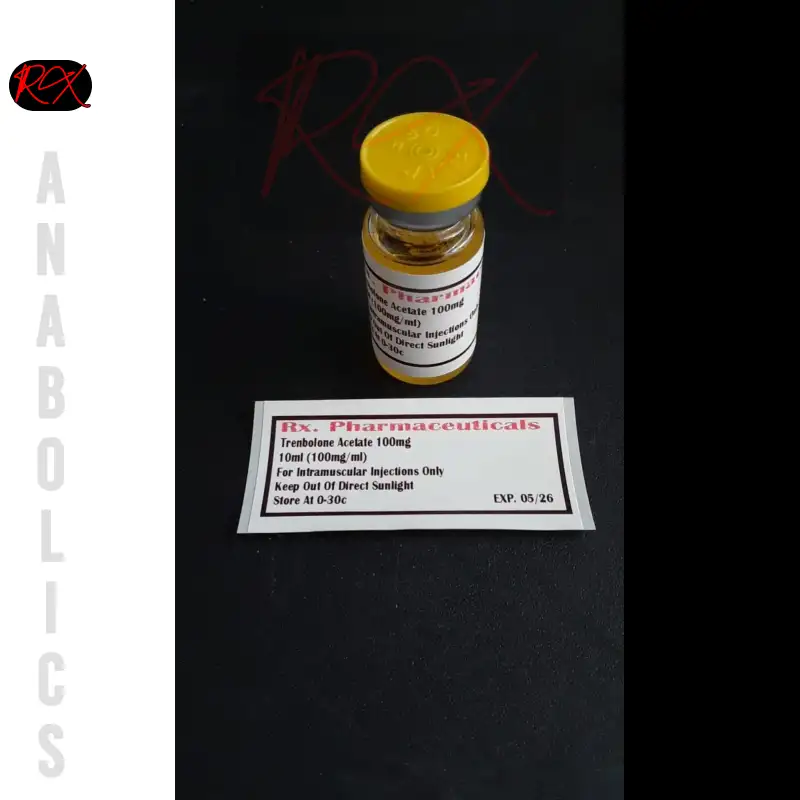
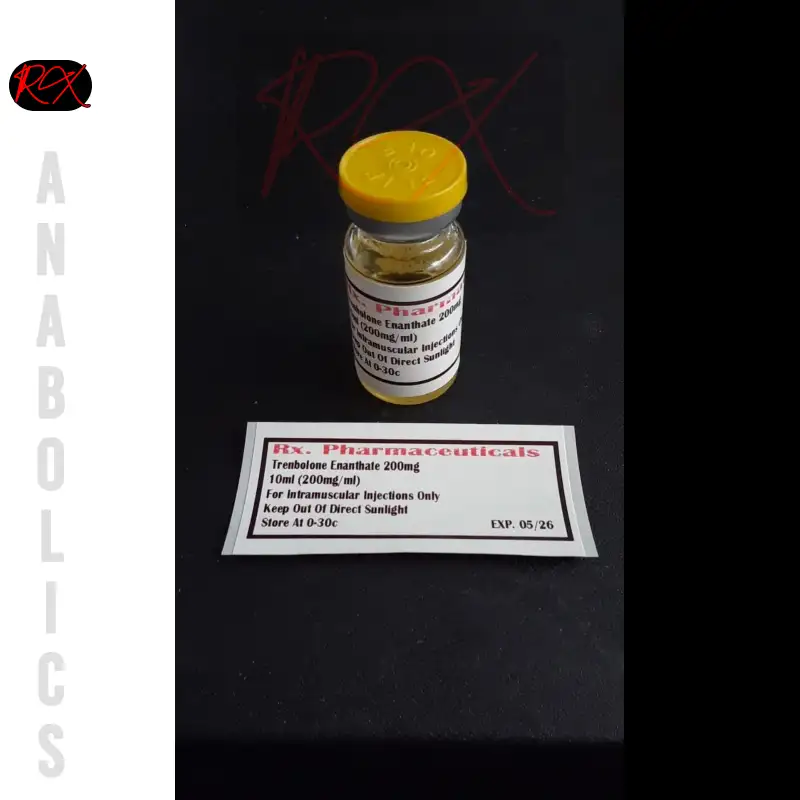

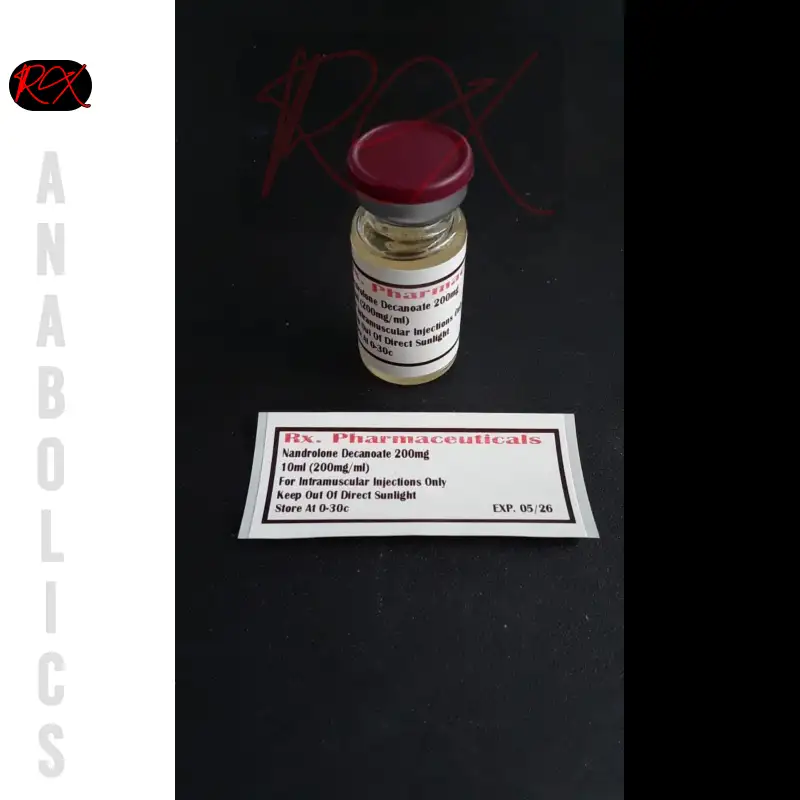
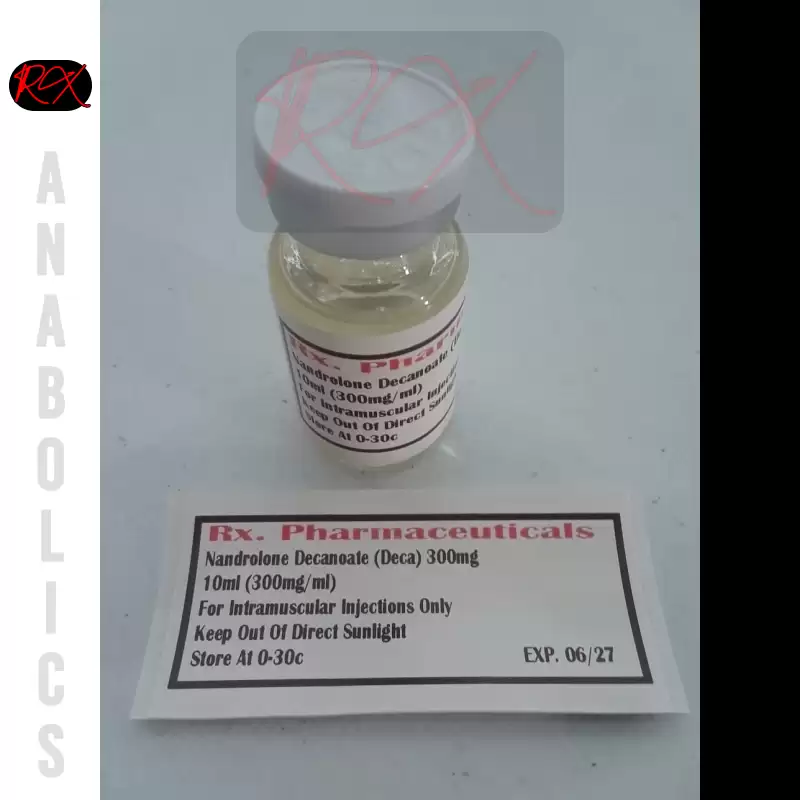

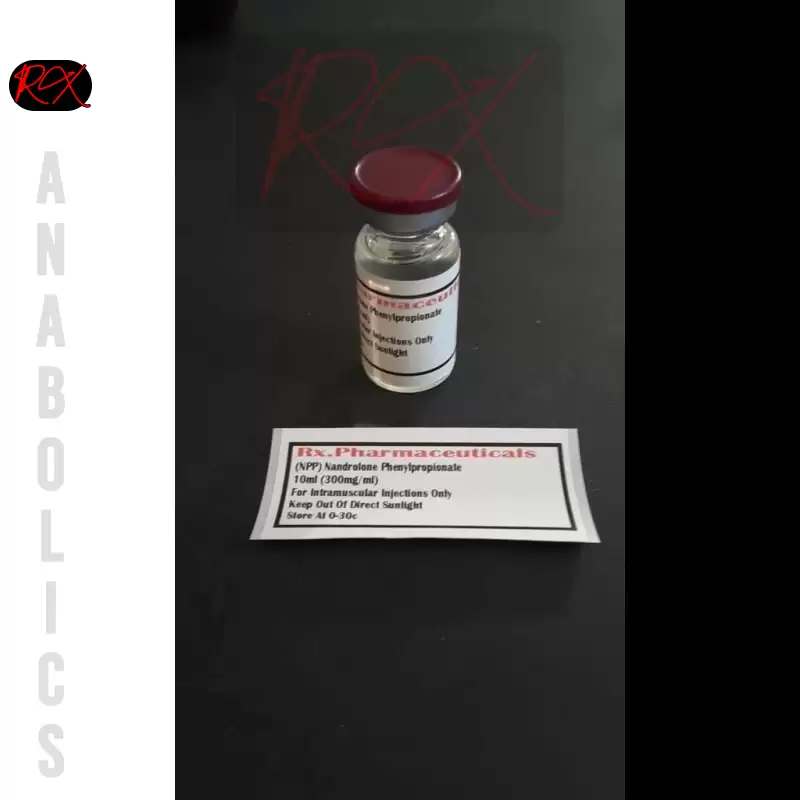
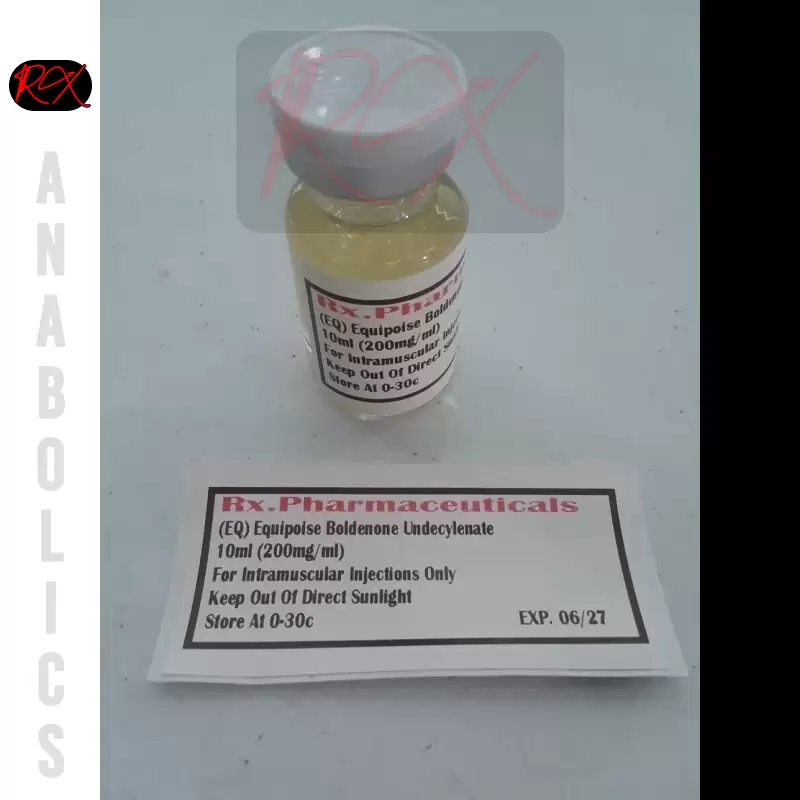





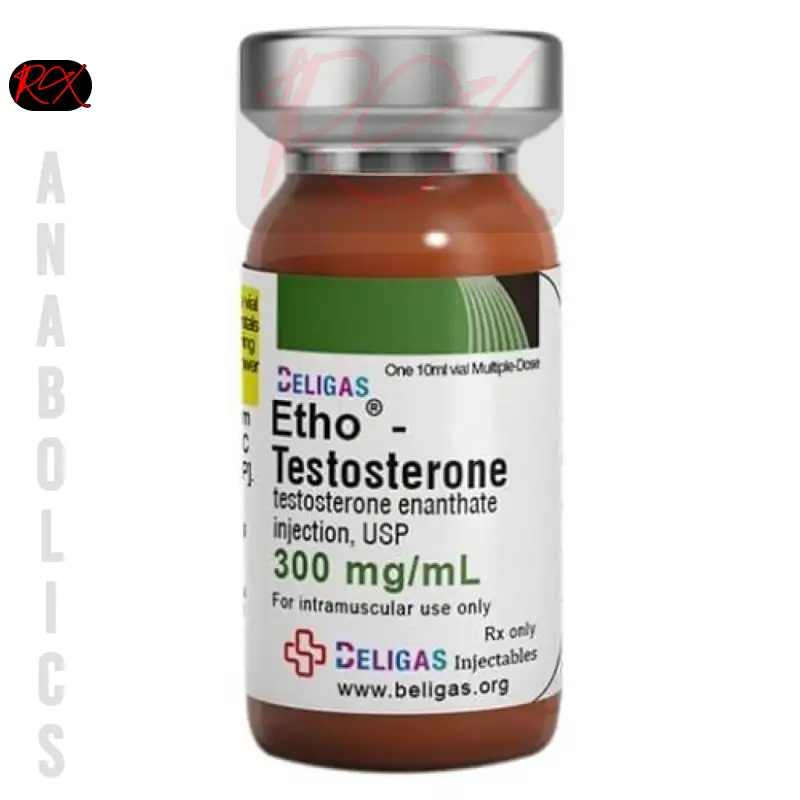
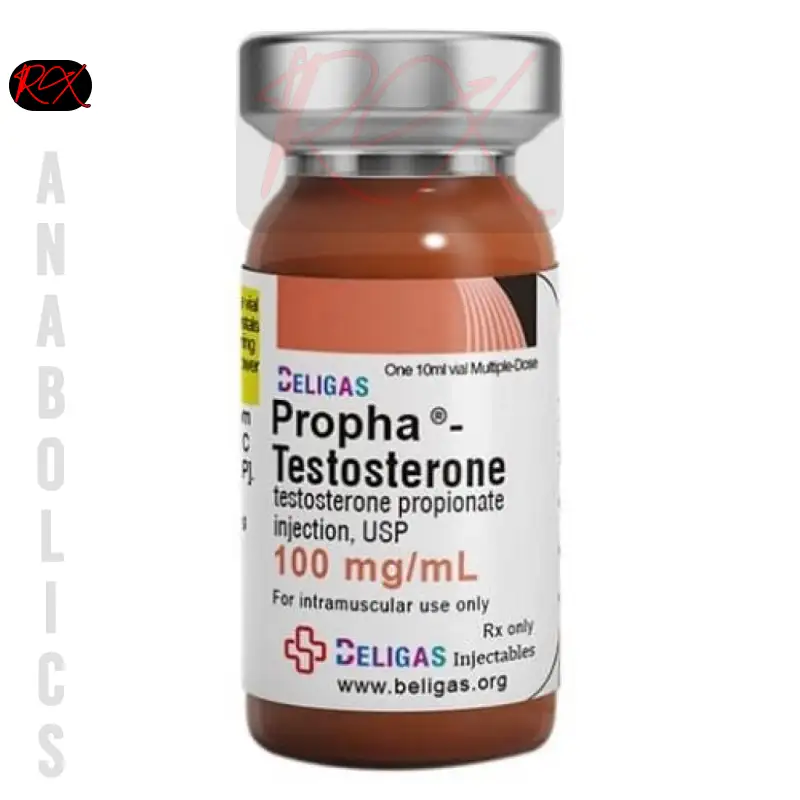
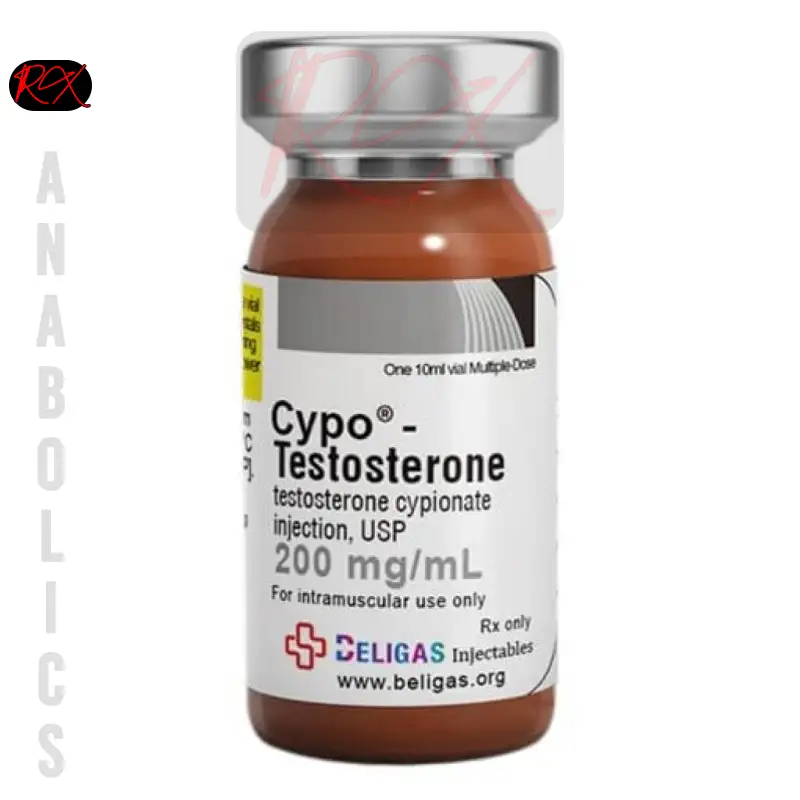
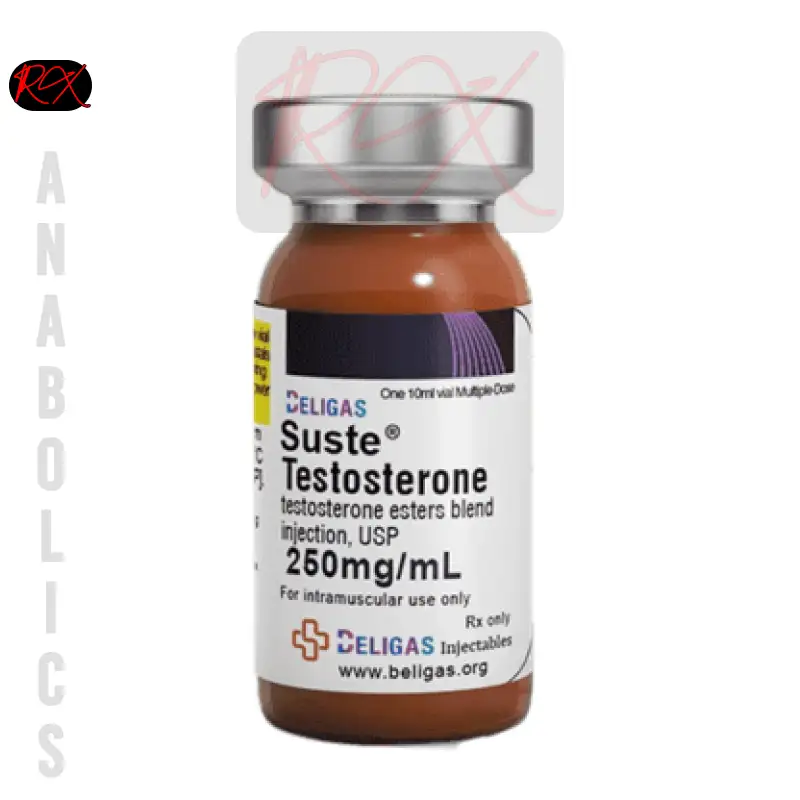
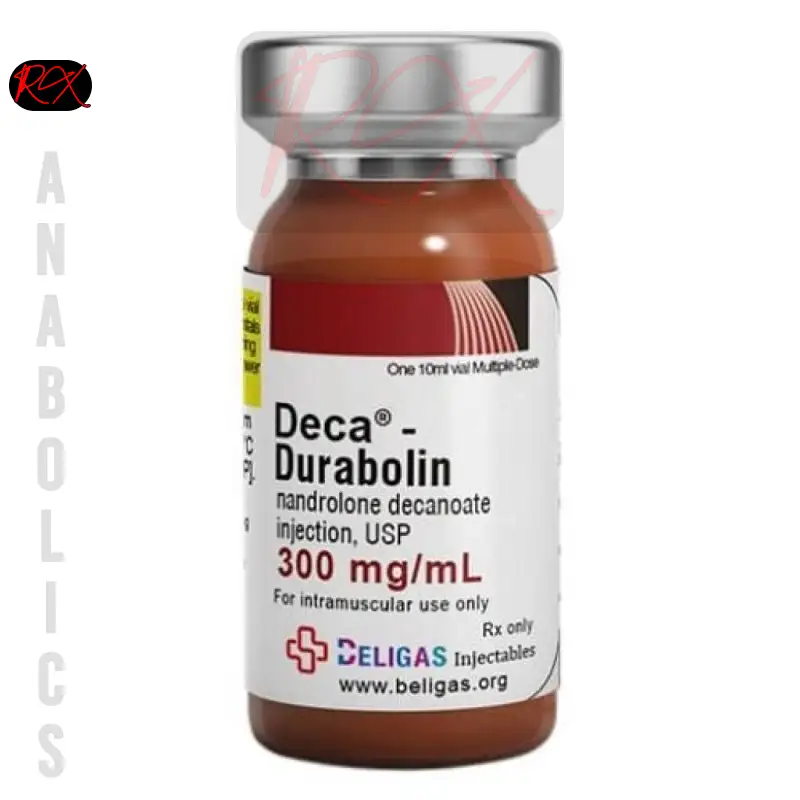
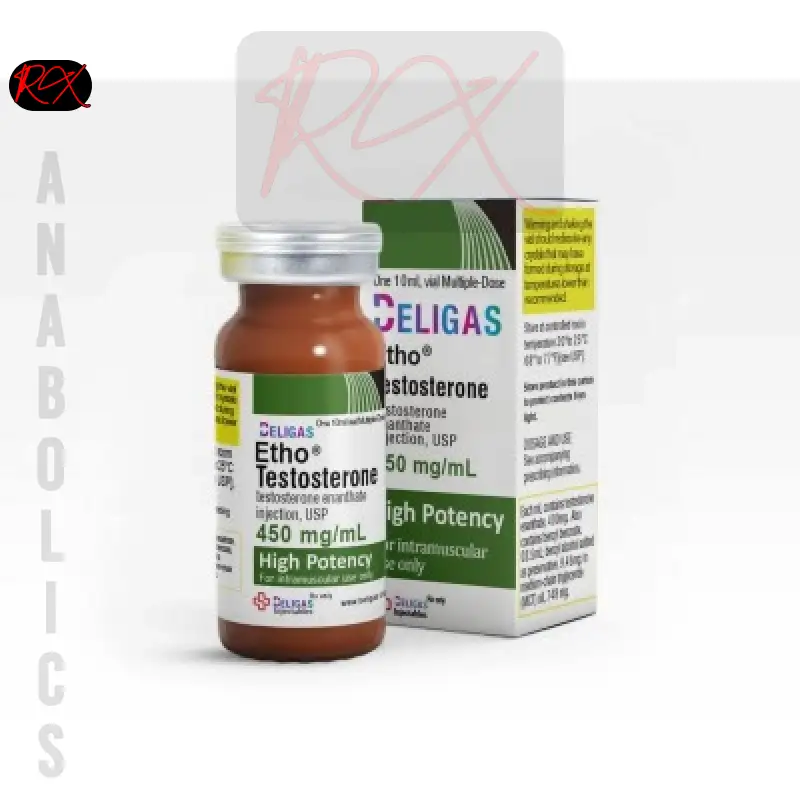
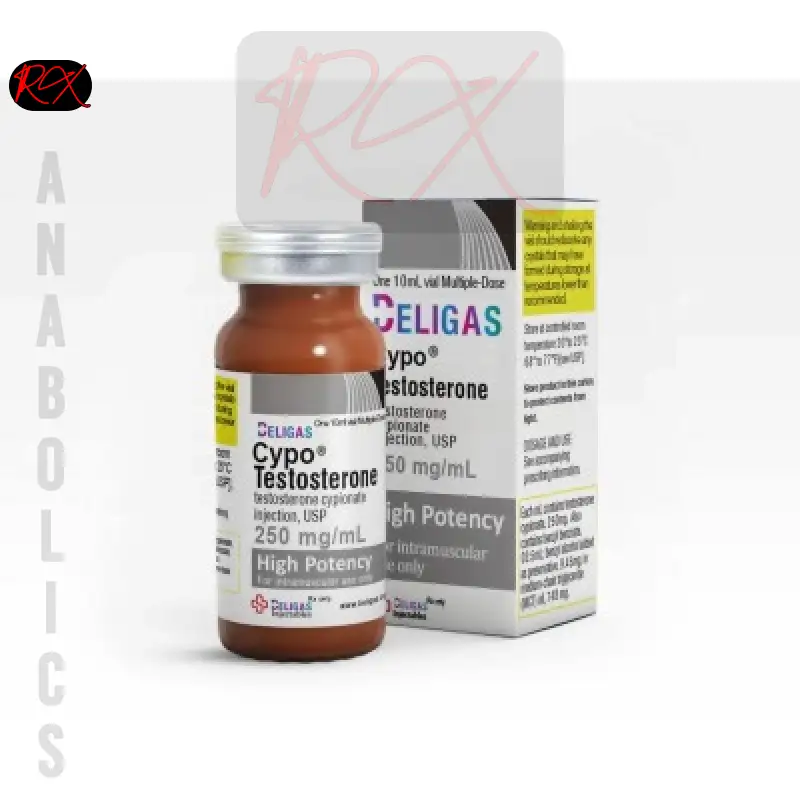
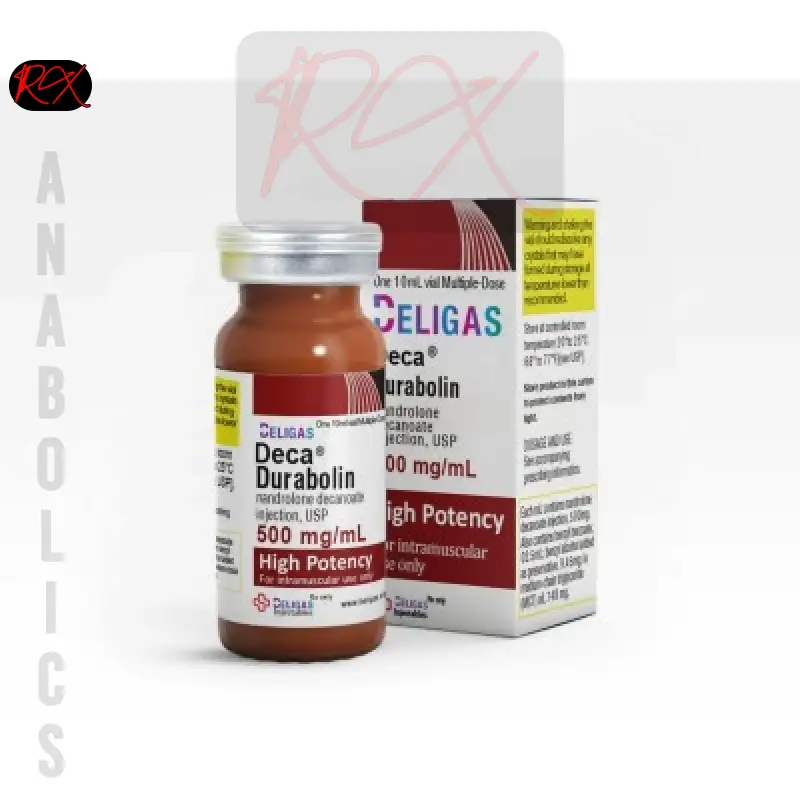




![TESTOSTERONE UNDECANOATE CAPSULES ( TESTOHEAL ) – 40MG / PER CAPSULE [10 CAPSULES]- HEALING PHARMA](/extrabox/img/product/protected_030625110304TESTOSTERONEUNDECANOATECAPSULESTESTOHEAL40MGPERCAPSULE10CAPSULESHEALINGPHARMA1510x510.webp)
![LETROZOLE (FEMARA) – 2.5 MG / PER TAB – HEALING PHARMA [30-TABLETS]](/extrabox/img/product/protected_03062506035010.webp)
![CABERMORE 0.5 ( CABERGOLINE TABLETS ) 0.5MG / PER TAB [ 4 TABLET PACK] – DR MOREPEN](/extrabox/img/product/protected_030625060336Carvbermore2510x510.webp)
![CABERGOLINE 1MG / PER TAB – JOHN LEE PHARMA [4 TABLETS PACK]](/extrabox/img/product/protected_0306250603566.webp)

![GENERIC VIAGRA (SILDENAFIL CITRATE 100MG) – CENFORCE FM 100MG (FOR FEMALES) [10 TABLETS]](/extrabox/img/product/protected_030725030326GENERICVIAGRASILDENAFILCITRATE100MGCENFORCEFM100MGFORFEMALES10TABLETS.webp)


![VIDALISTA – CIALIS (TADALAFIL CHEWABLE) 20MG / PER TAB – CENTURION LABS [10 TABLETS]](/extrabox/img/product/protected_030725030320VIDALISTACIALISTADALAFILCHEWABLE20MGPERTABCENTURIONLABS10TABLETS.webp)
![SILDENAFIL CITRATE 200MG (GENERIC VIAGRA) – CENFORCE [10 TABLETS]](/extrabox/img/product/protected_030725030358SILDENAFILCITRATE200MGGENERICVIAGRACENFORCE10TABLETS.webp)
![SILDENAFIL CITRATE 100 MG (GENERIC VIAGRA) – KAMAGRA GOLD [4 TABLETS PACK]](/extrabox/img/product/protected_030725030342SILDENAFILCITRATE100MGGENERICVIAGRAKAMAGRAGOLD4TABLETSPACKPrice20510x510.webp)


![SHILAJIT EXTRACT HERBAL SUPPLEMENT – [ 60 TABLETS ] – SHILAVITALS](/extrabox/img/product/protected_031125120313SHILAJITEXTRACTHERBALSUPPLEMENT60TABLETSSHILAVITALS510x510.webp)


![PURE HIMALAYAN SHILAJIT ( SHILAJIT IN RESIN FORM ) [ 20GM BOTTLE ] – BOLD CARE](/extrabox/img/product/protected_031125120345PUREHIMALAYANSHILAJITSHILAJITWITHFULVICACID20GMBOTTLEBOLDCARE510x510.webp)

![FRUITA VITALS DIETARY SUPPLEMENT – [90 CAPSULES] – SHILAVITALS](/extrabox/img/product/protected_031125120348Fruits2510x510.webp)

![ALOEVERA JUICE ( SUGAR FREE ) [ 32 FL.OZ – 960ML ] – BASIC AYURVEDA](/extrabox/img/product/protected_031125120339WhatsAppImage20250120at11.webp)
![ALOEVERA JUICE ( SUGAR FREE ) [ 16 FL.OZ – 480ML ] – BASIC AYURVEDA](/extrabox/img/product/protected_031125120302ALOEVERAJUICESUGARFREE16FL.webp)

![LIV.52 ( LIVER CLEANSER ) – HIMALAYA [ 100 TABLETS ]](/extrabox/img/product/protected_031125010332LIV.webp)

![IVERMECTIN ( IVERVID 12 ) 12MG / PER TABLET [ 10 TABLETS PACK ] – JEERIMA BIOCARE](/extrabox/img/product/protected_031125050313IVERVID122510x510.webp)
![IVERMECTIN ( IVERFRESH 12 ) 12MG / PER TABLET [ 10 TABLETS PACK ] – ORANGE CITY](/extrabox/img/product/protected_031125050349Iverfresh121510x510.webp)

![ZETIHEAL (EZETIMIBE) 10MG/PER TAB – [10 TABLETS] – HEALING PHARMA](/extrabox/img/product/protected_031125050353ZETIHEALEZETIMIBE10MGPERTAB10TABLETSHEALINGPHARMA510x510.webp)
![ROSUBEST (ROSUVASTATIN) 20MG / PER TAB – [10 TABLETS]- CADILA](/extrabox/img/product/protected_031125050309ROSUBESTROSUVASTATIN20MGPERTAB10TABLETSCADILA510x510.webp)
![LIPVAS (ATORVASTATIN) 10MG / PER TAB – [10 TABLETS] – CIPLA](/extrabox/img/product/protected_031125050300LIPVASATORVASTATIN10MGPERTAB10TABLETSCIPLA.webp)


![BEMPESTA (BEMPODIC ACID) 180MG / PER TAB – [10 TABLETS] – TORRENT](/extrabox/img/product/protected_031125060358BEMPESTA180MGPERTAB10TABLETSTORRENT1.webp)
![SAT-ISABGOL ( PSYLLIUM HUSK ) [ 100G POWDER BASED ] FOR CONSTIPATION – SIDHPUR](/extrabox/img/product/protected_031125060327SATISABGOLPSYLLIUMHUSK100GPOWDERBASEDFORCONSTIPATIONSIDHPUR510x510.webp)
![AYURVEDIC KAYAM TABLETS ( CHRONIC CONSTIPATION, ACIDITY , GAS HEADACE ) [ 30 TABLETS ] – SHETH BROS](/extrabox/img/product/protected_031125060358AYURVEDICKAYAMTABLETSCHRONICCONSTIPATIONACIDITYGASHEADACE30TABLETSSHETHBROS.webp)


![SAUNDARYA ALOE VERA GEL – 150ML (Pimples, Wrinkles & Glowing Fair Skin) [Face Wash] – Patanjali](/extrabox/img/product/protected_031225010324SAUNDARYAALOEVERAGELPIMPLESWRINKLESGLOWINGFAIRSKINFACEWASH150MLPATANJALI1.webp)
![PURIFYING NEEM FACE WASH (SOAP-FREE) – HIMALAYA [NEEM ● TURMERIC 150ML] + FREE GIFT: TOOTHPASTE 80G](/extrabox/img/product/protected_031225010343PURIFYINGNEEMFACEWASHSOAPFREENEEMTURMERIC150MLHIMALAYA1.webp)
![ACCUTANE (ISOTRETINOIN CAPSULES IP) 30 MG / PER TAB – HEALING PHARMA [10 TABLETS PACK]](/extrabox/img/product/protected_031225010306AccufineIsotropinCapsuleIP30mg510x510.webp)
![ACCUTANE (ISOTRETINOIN CAPSULES IP) 20 MG / PER TAB – HEALING PHARMA [10 TABLETS PACK]](/extrabox/img/product/protected_031225010340ACCUTANEISOTRETINOINCAPSULESIP20MGPERTABHEALINGPHARMA10TABLETSPACKPrice251510x510.webp)
![MINIMALIST 0.3% SERUM ( RETINOL ) [30ML BOTTLE] – MINIMALIST](/extrabox/img/product/protected_031225010333MINIMALIST0.webp)
![PREDNIHEAL ( PREDNISOLONE ) 10 MG / PER TAB [ 10 TABLETS ] – HEALING PHARMA](/extrabox/img/product/protected_031225020322PREDNIHEALPREDNISOLONE10MGPERTAB10TABLETSHEALINGPHARMA1510x510.webp)


![MINOXYTOP 10% (MINOXIDIL) [60ML BOTTLE ] HEALING PHARMA](/extrabox/img/product/protected_031225030347Minoxidil103510x510.webp)


![DUTANOL (DUTASTERIDE) 0.5MG / PER TAB – [10 TABLETS] – KNOLL](/extrabox/img/product/protected_031225030310DUTANOLDUTASTERIDE0.webp)


![R1 ROAR PRE WORKOUT (315G TUB ) [ PEACH MANGO ] – RULE ONE](/extrabox/img/product/protected_031225040328WhatsAppImage20241121at2.webp)
![NITRAFLEX KAOS PREWORKOUT [ PEACH PINEAPPLE ] GAT](/extrabox/img/product/protected_031225040339WhatsAppImage20241121at2.webp)

![TOTAL WAR PREWORKOUT [ STRAWBERRY KIWI ] – REDCON1](/extrabox/img/product/protected_031225040335WhatsAppImage20241121at2.webp)
![HYDROCODONE (10 MG) AND ACETAMINOPHEN (325 MG) [ IMPRINT M367 ] ( 20 TABLETS PACK ) – NATCO](/extrabox/img/product/protected_032826010340photo.webp)

SECURE AND DISCREET INTERNATIONAL SHIPPING AVAILABLE


Genlabs Tesofensine 500mcg Tablets – Advanced Weight Management Solution
Overview
Genlabs Tesofensine 500mcg tablets are a powerful medication designed to assist individuals struggling with weight loss. This innovative formula is particularly beneficial for those who have difficulty losing weight through diet and exercise alone. Tesofensine works by targeting the brain's hunger and appetite control mechanisms, making it easier to reduce food intake and achieve weight loss goals.
Originally developed for the treatment of Parkinson’s disease and Alzheimer’s disease, Tesofensine has been found to have significant effects on weight management, leading to its use as an effective appetite suppressant and metabolism booster.
How It Works
Genlabs Tesofensine enhances the levels of key neurotransmitters in the brain—dopamine, serotonin, and noradrenaline. These chemicals help regulate mood and hunger. By increasing their levels, Tesofensine reduces cravings, promotes satiety, and helps control caloric intake. This makes it easier to stick to a reduced-calorie diet, leading to sustainable weight loss.
Dosage
To achieve the best results and minimize the risk of side effects, always follow the prescribed dosage provided by your healthcare provider.
The standard starting dose is 500mcg, taken once daily, with or without food.
Depending on individual response, the dosage may be adjusted by a doctor, but the maximum recommended dose is 1mg (1000mcg) per day.
It’s crucial to take the tablet at the same time every day and adhere to your doctor’s recommendations for safe and effective use.
Key Benefits
✔ Reduces Hunger and Cravings – Helps control appetite, making it easier to maintain a healthy diet.
✔ Supports Weight Loss – Assists in reducing food intake, promoting sustainable weight management.
✔ Boosts Metabolism – Enhances fat-burning efficiency, helping your body use energy more effectively.
Possible Side Effects
While Tesofensine is generally well tolerated, some users may experience mild side effects, including:
Dry mouth
Trouble sleeping (insomnia)
Increased heart rate
Headaches or dizziness
Nausea or stomach discomfort
Conclusion
Genlabs Tesofensine 500mcg tablets offer an effective solution for individuals looking to lose weight by reducing hunger and controlling cravings. For optimal results, it should be used in conjunction with a balanced diet and regular exercise. As with any weight management medication, it is important to consult a healthcare professional before use to ensure it is the right choice for your specific needs.
Available now at Rx Anabolics – your trusted source for premium performance and weight management supplements!
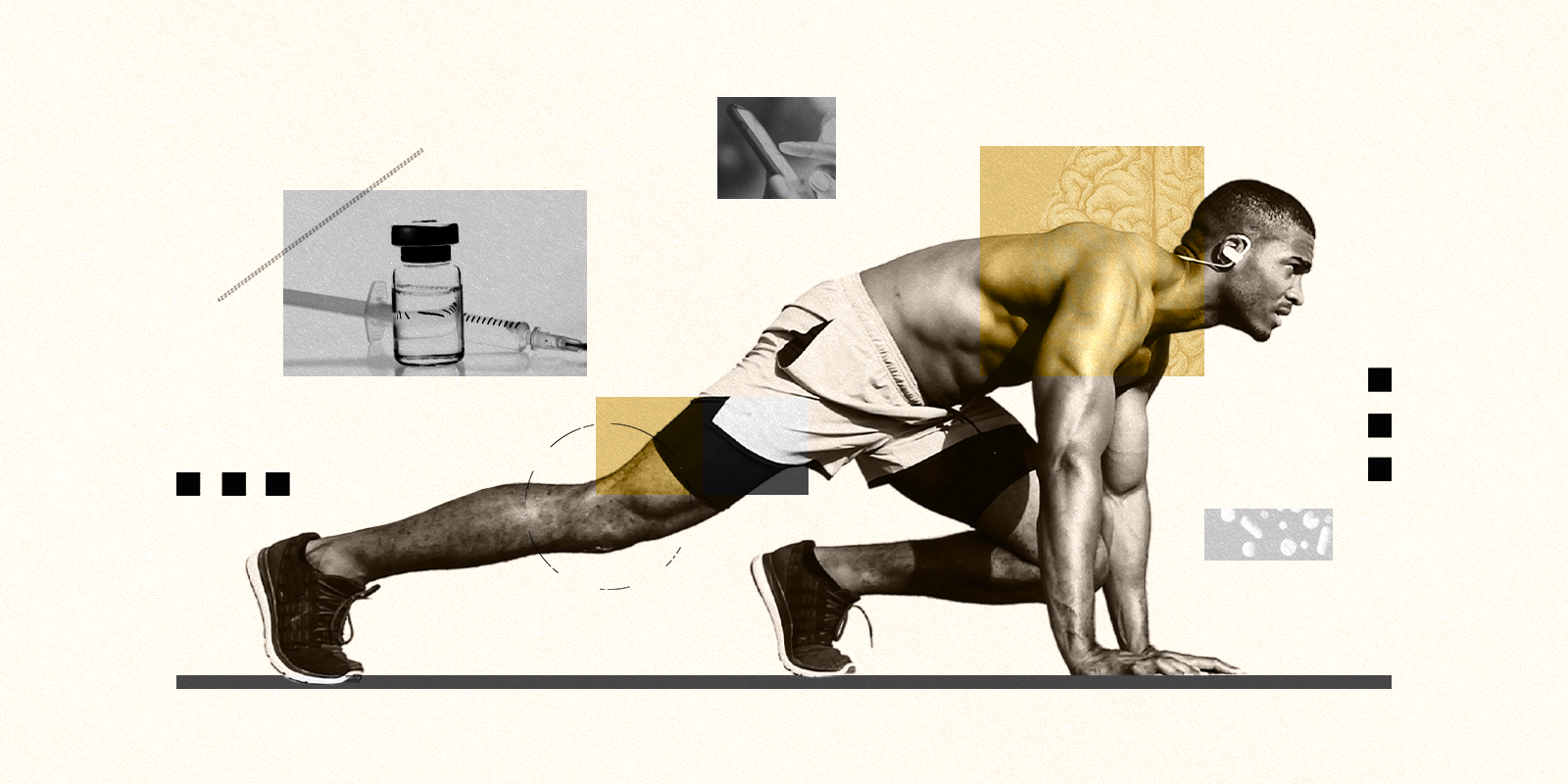
In the dim light of a crowded gym locker room, a 24-year-old amateur bodybuilder named Mark holds a vial of clear liq...

In the fitness world, whispers about anabolic steroids often swing between two extremes: the...
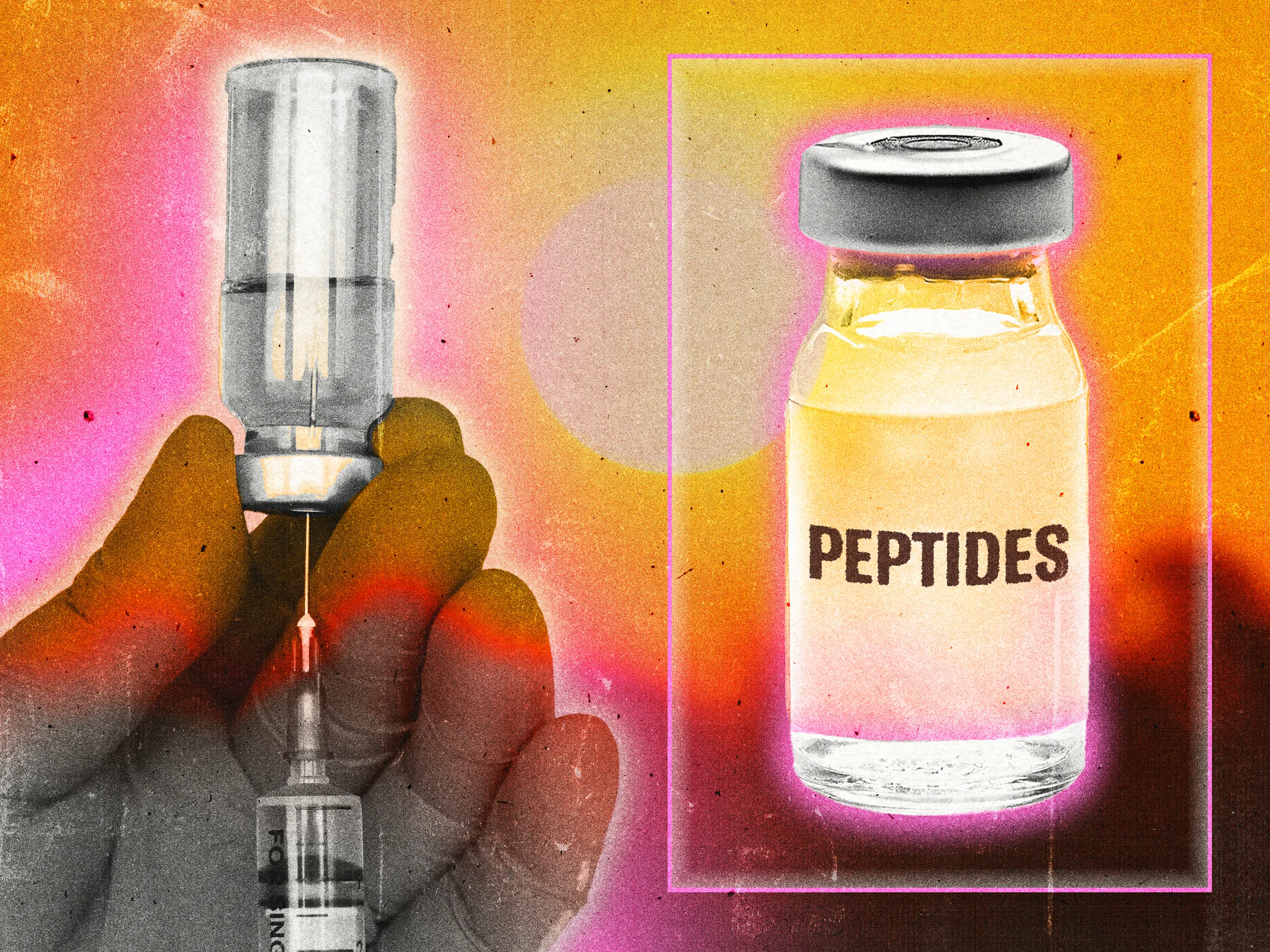
In the fitness and biohacking world, peptides are celebrated for their regenerative power, y...
With several years of experience, we are satified by the overflow of our clients joy towards our services. We thank you all!
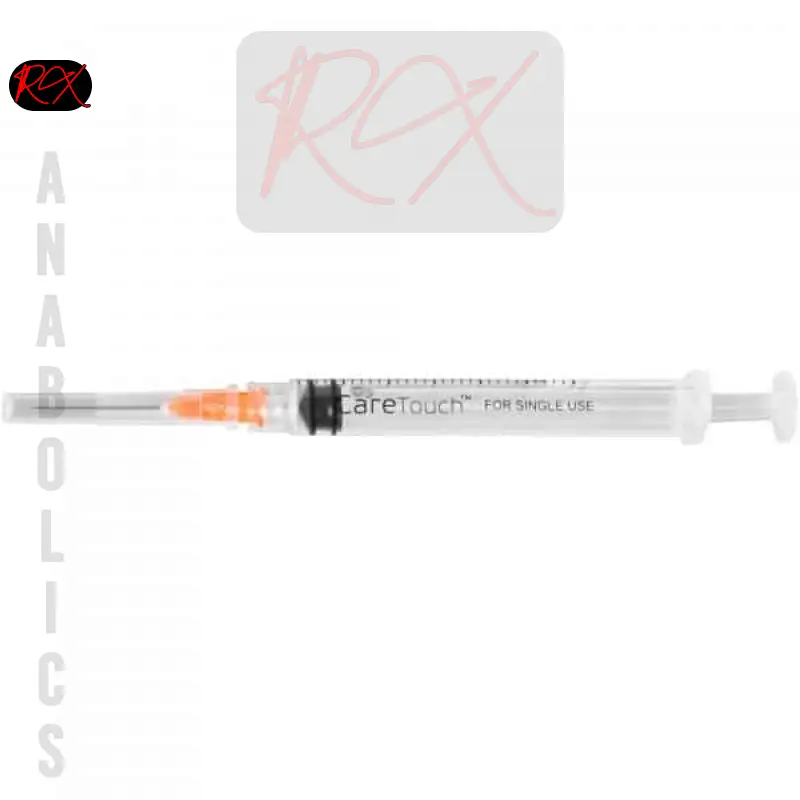
The 10 x 3ml Syringe with Needle by Beligas is a high-quality medical device designed for accurate and safe administration of medications, fluids, or other substances. Each syringe is individually wrapped and sterile, ensuring hygienic use in medical, laboratory, or personal settings.
Key Features:
1. Size: Each syringe has a capacity of 3ml, allowing for precise measurement and delivery of small to moderate volumes of liquid.
2. Graduated Barrel: The barrel of the syringe is marked with clear and easy-to-read graduations, enabling accurate dosing and measurement.
3. Luer Lock Tip: The syringe features a Luer lock tip, which securely connects to compatible needles, preventing accidental detachment during use.
4. Needle Included: This package includes 10 syringes, each pre-attached with a needle. The needle is made of high-quality stainless steel, ensuring sharpness and durability.
5. Ultra-Thin Wall Needle: The included needle has an ultra-thin wall design, reducing patient discomfort during injections while maintaining optimal flow rates.
6. Sterility: Each syringe and needle is individually packaged and sterilized, minimizing the risk of contamination and ensuring safe use.
7. Easy-Glide Plunger: The plunger of the syringe moves smoothly and effortlessly, allowing for precise and controlled delivery of fluids.
8. Transparent Barrel: The transparent barrel allows for easy visual inspection of the liquid content, ensuring accurate measurement and administration.
9. Versatile Use: These syringes can be used for a wide range of applications, including administering medications, vaccines, or drawing blood samples.
10. High-Quality Construction: The syringes are made from durable materials, ensuring longevity and reliability in various medical or laboratory settings.
Overall, the 10 x 3ml Syringe with Needle by Beligas is a reliable and convenient medical device that provides accurate dosing, safety, and hygienic administration of liquids. Whether you are a healthcare professional or an individual in need of medical supplies, these syringes are a practical choice for your medical needs.

We remain faithful to serve you the best quality products out there.